
Power & Utilities
Industry Overview
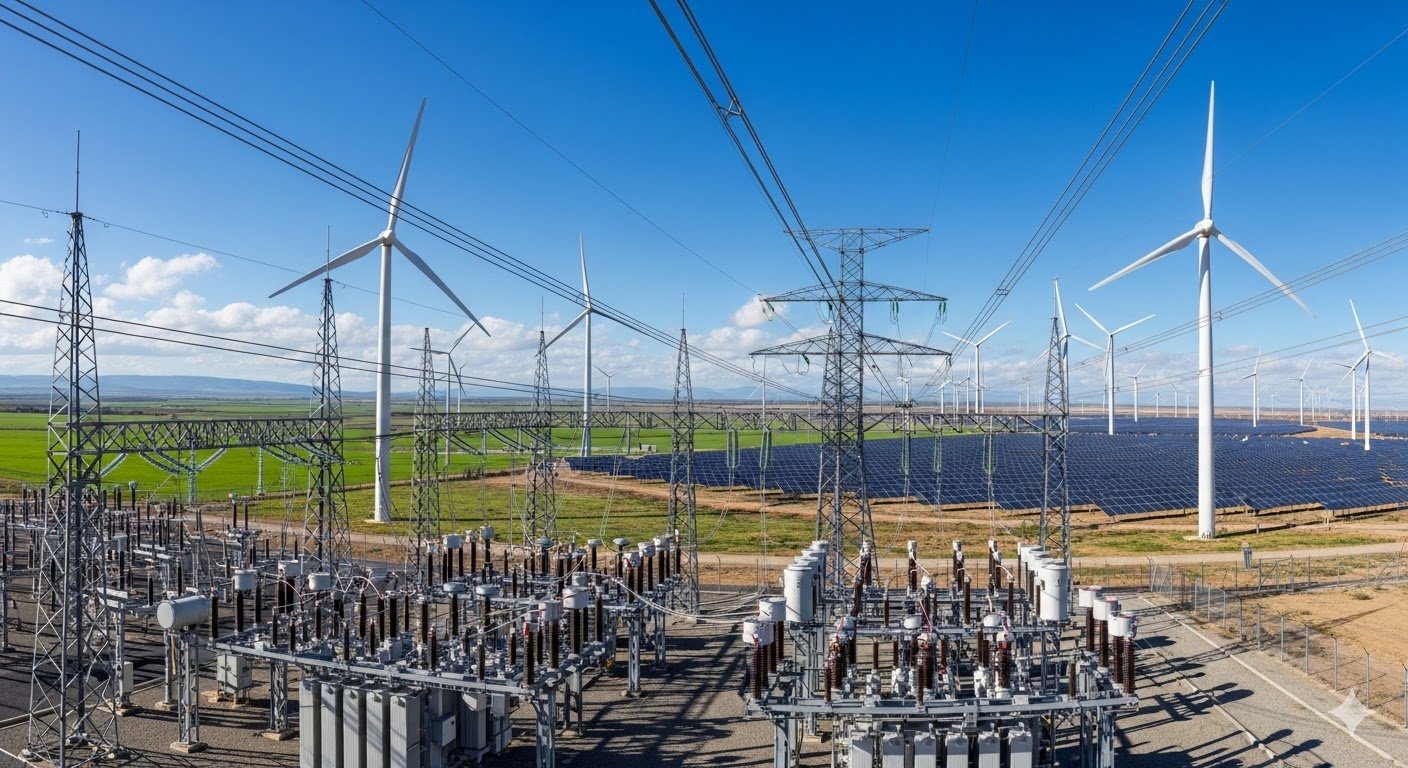
Australia's power and utilities sector is undergoing significant structural change. The transition from coal-fired generation to renewables, battery storage, and distributed energy is reshaping how electricity is generated, transmitted, and sold. Regulated networks — transmission and distribution — continue to operate under revenue determinations set by the Australian Energy Regulator, while contestable generation and retail markets remain subject to competitive dynamics and wholesale price exposure.
The sector operates under national frameworks including the National Electricity Rules and National Gas Rules, alongside state-based regulation covering licensing, environmental obligations, and workforce requirements. Emerging technologies — rooftop solar, community batteries, virtual power plants, and embedded networks — are adding layers of commercial and regulatory complexity that did not exist a decade ago.
Tax structuring, regulatory accounting, and compliance obligations are shaped by whether an entity is a regulated network, a generator, a retailer, or a combination of these. The capital intensity of the sector, the long asset lives involved, and the interaction between regulatory and statutory accounting frameworks create a distinct advisory environment that requires careful, technically grounded work.
Key Commercial & Regulatory Challenges
Regulated Asset Base Accounting
Revenue for regulated network operators is determined by reference to the regulated asset base (RAB), the allowed rate of return on assets, and depreciation methodologies approved by the regulator. The interaction between regulatory accounting — which follows the AER's determination framework — and statutory accounting under Australian Accounting Standards creates differences in asset values, depreciation profiles, and revenue recognition. Managing these parallel frameworks accurately is essential for both regulatory submissions and financial reporting.
Renewable Energy Incentives & Certificates
The Renewable Energy Target scheme creates two certificate markets: large-scale generation certificates (LGCs) for utility-scale projects and small-scale technology certificates (STCs) for rooftop solar and small systems. The tax treatment of certificate income, the timing of recognition, and the interaction with project financing structures — including tax equity arrangements and power purchase agreements — require careful structuring to ensure correct income tax, GST, and accounting treatment.
Capital Expenditure & Depreciation
Power and utilities infrastructure involves significant capital expenditure on assets with long useful lives — transmission lines, substations, generation plant, and distribution networks. Effective life determinations under Division 40 of the ITAA 1997, the classification of expenditure as capital or revenue, and the treatment of asset replacements and augmentations within existing networks are recurring technical questions. The ATO's published effective lives for power infrastructure do not always align with engineering assessments or regulatory depreciation schedules.
GST on Energy Transactions
GST treatment across the electricity supply chain is not straightforward. Network charges, wholesale market settlements through AEMO, retail billing, feed-in tariff payments to solar customers, and embedded network arrangements each present distinct GST questions. The classification of certain payments — particularly feed-in tariffs and demand response payments — and the correct application of GST grouping provisions for vertically integrated utilities require ongoing attention.
Environmental & Carbon Obligations
The Safeguard Mechanism imposes emissions baselines on large facilities, including power stations. Compliance may involve surrendering Australian Carbon Credit Units (ACCUs) or Safeguard Mechanism Credits. The tax treatment of ACCUs — whether held as trading stock, revenue assets, or otherwise — the deductibility of carbon abatement expenditure, and the accounting treatment of carbon liabilities and related contracts require structured analysis against both tax law and accounting standards.
Workforce Compliance
Utilities workers are covered by a range of modern awards and enterprise agreements that reflect the essential services nature of the work. Overtime, shift penalties, on-call allowances, and emergency callout provisions create payroll complexity. Multi-site operations across different states raise payroll tax and workers' compensation obligations, and the use of labour hire and contracting arrangements in maintenance and project work requires correct contractor-versus-employee classification.
How We Support This Industry
Our work for power and utilities clients draws on our full range of services — tax, accounting, bookkeeping, payroll, and business advisory — structured around the regulatory and commercial environment specific to this sector.
SMSF Setup, Tax & Audit
SMSF establishment and compliance for power and utilities professionals and business owners.
Learn moreCompany Setup & Compliance
Company registration, tax returns, bookkeeping, payroll, BAS, and FBT for power and utilities businesses.
Learn moreIndividual Tax & Financial Services
Individual and company tax returns, investment consultancy, and finance services for utilities professionals.
Learn moreFinancial Planning
Retirement planning, wealth management, and superannuation advice for power and utilities professionals.
Learn moreTrust Formation & Tax
Trust formation, administration, and tax compliance for utilities sector families and investment structures.
Learn moreSmall Business & Audit
Small business advisory, compliance, and audit services for power and utilities contractors.
Learn moreLegal Business Advice
Entity structuring, governance arrangements, and succession planning for power and utilities businesses.
Learn moreWho We Work With
Our power and utilities advisory work covers a range of participant types across the sector:
Electricity Generators
Thermal, renewable, and hybrid generation operators — from large-scale coal and gas plants through to solar farms and wind projects. Advisory covering capital allowances, generation certificate treatment, and operational tax compliance.
Network Operators
Transmission and distribution network service providers operating under AER revenue determinations. Advisory on regulated asset base accounting, regulatory-statutory reconciliation, and capital expenditure classification.
Energy Retailers
Licensed electricity and gas retailers operating in contestable markets. Advisory covering GST on retail billing, customer contract accounting, feed-in tariff obligations, and financial reporting for retail operations.
Renewable Energy Developers
Solar, wind, and battery storage project developers at various stages from development through to operation. Advisory on project entity structuring, tax equity arrangements, LGC treatment, and power purchase agreement accounting.
Utility Service Contractors
Maintenance, metering, and infrastructure service providers working across the electricity and gas networks. Advisory on contractor compliance, multi-site payroll obligations, and business structuring for service operations.
Related Insights
Discuss Your Power & Utilities Advisory Requirements
Whether you operate in generation, networks, retail, or renewable energy development, we can discuss how our advisory capabilities apply to your specific situation.